Teaching

In my nineteen years at Baylor University, I have taught a variety of classes at both the undergraduate and graduate level, including Introduction to Museums (UG), The History and Curation of Book Collections (UG), Collections Management (GR), and Archival Arrangement and Description (GR). In the last three years, I have focused my efforts on two classes. At the undergraduate level, I teach Introduction to Cultural Collections while at the graduate level, I teach The Museum: History, Philosophy, Prospects.
As a teacher, I am guided by the memory of a chance meeting I had with my undergraduate history advisor at Pacific University (Forest Grove, Oregon) that led to a work-study position in the university’s archives and museums, which in turn led to graduate school and a career that combined my interests in history and libraries, archives, and museums. In my interactions with my students, I seek to listen, to question, and to mentor students to help them find the path that best suits them. In my teaching I try to impart to students the importance of libraries, archives, and museums in connecting us with the past, the present, and the future and in helping us understand who we are as individuals, as communities, and as a society. Libraries, archives, and museums protect our civil, legal, and political rights through preservation, education, and access; at their best, libraries, archives, and museums encourage critical thinking. Fostering critical thinking is the cornerstone of my pedagogy. In the words of bell hooks, I recognize that “our work [as educators] is not merely to share information but to share in the intellectual and spiritual growth of our students.” Through readings, discussions, and assignments, I encourage my students to listen to others, to ask questions, and to take considered risks.
Introduction to Cultural Collections
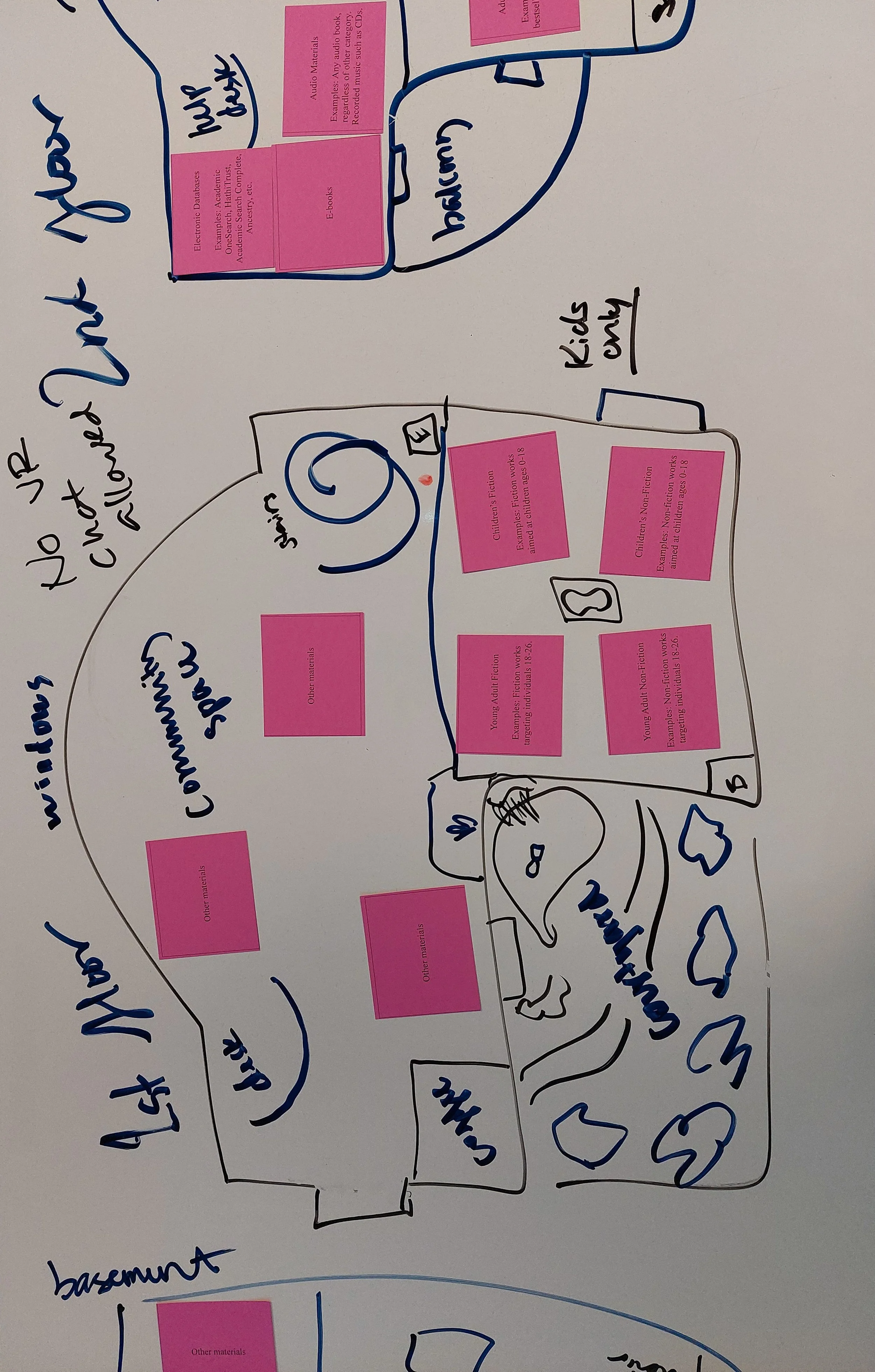
In this course, undergraduate students explore how library, museum, and archival (LAMs) collections are managed, preserved, and made accessible. Through hands-on activities, discussions, and engagement with materials, students learn a number of skills, including how to catalog museum collections, design a library for a selected community, and process a small archival collection.
The Museum: History, Philosophy, Prospects
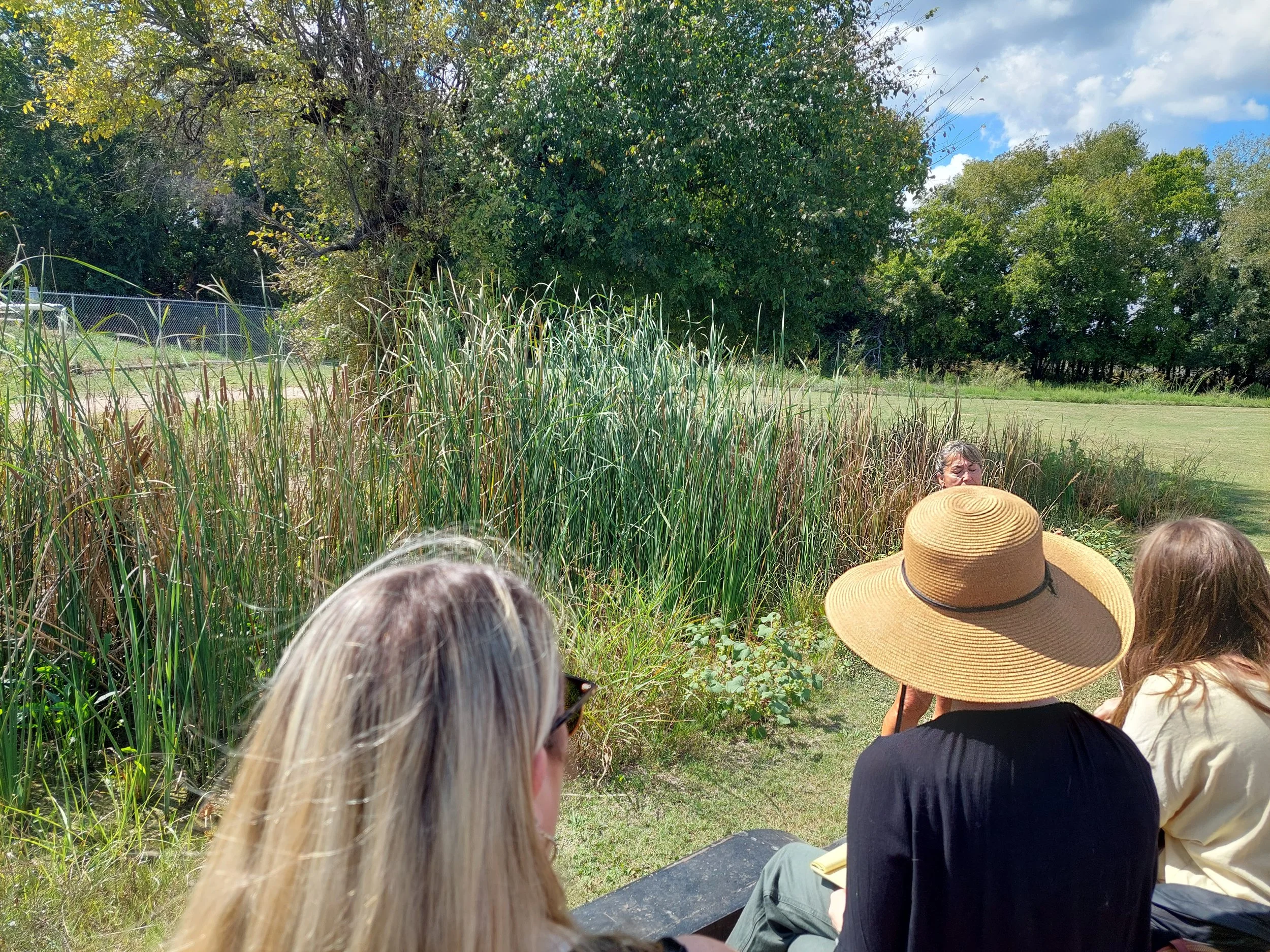
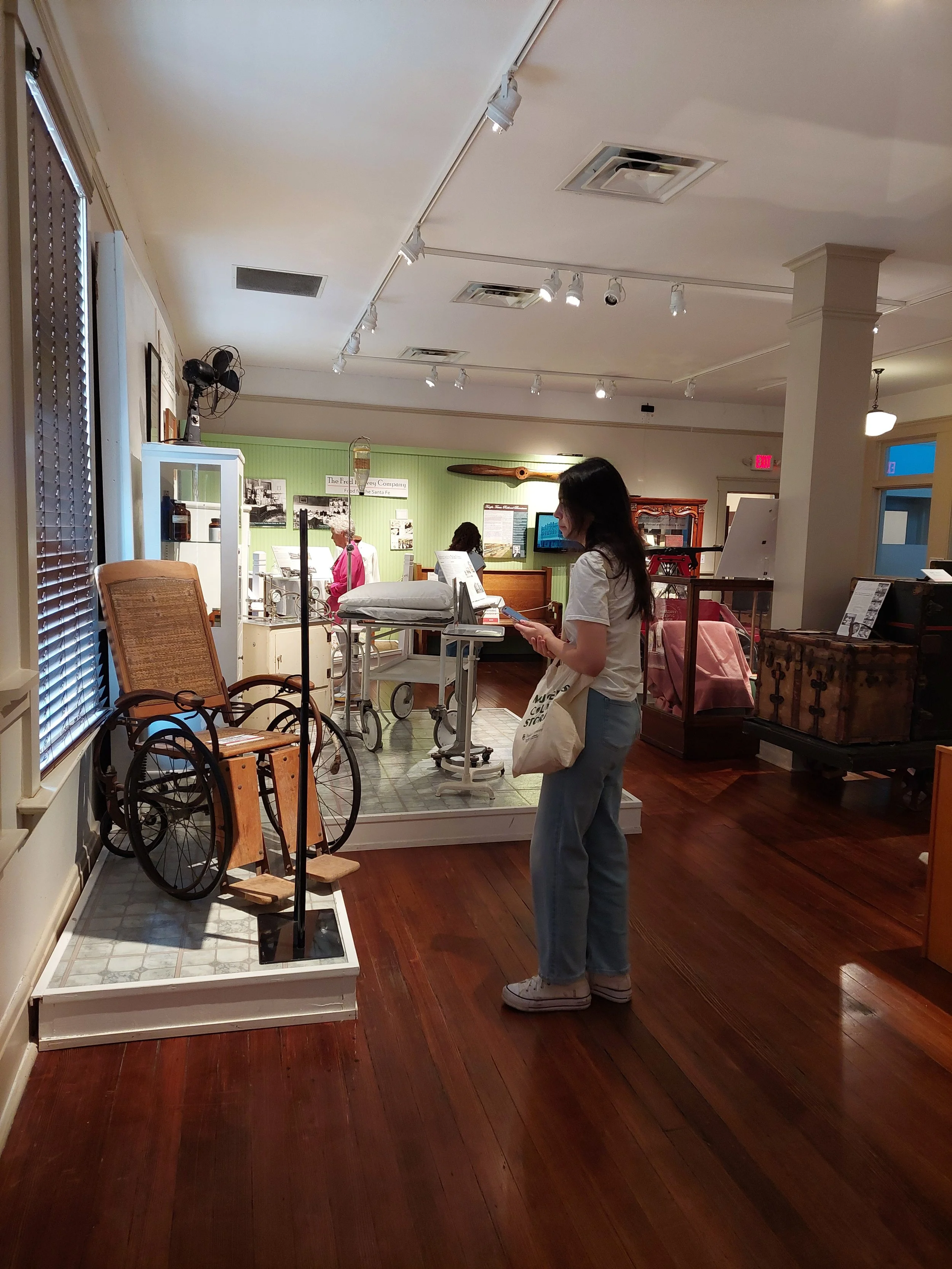
In this course, I introduce graduate students to the history, philosophy, and structure of the museum field and encourage them to think deeply about the challenges and opportunities facing cultural institutions in the twenty-first century. I accomplish this through readings, discussions, in-class activities, documentaries, guest speakers, and field trips to institutions on campus, including the Mayborn Museum, the Martin Museum of Art, and the Texas Collection. We also travel off campus to a variety of museums and cultural sites, including the Bell County Museum, the Temple Railroad and Heritage Museum (pictured above), the Bosque Museum, the Lake Waco Wetlands (pictured at the top of this page), the Amon Carter Museum, the Kimball, and the National Cowgirl Hall Museum and Hall of Fame.